
To Steward a Historic Home Think Like a Historic Builder
By Erica Swallow, Swallow Real Estate
Published in Northampton Living | April 2026
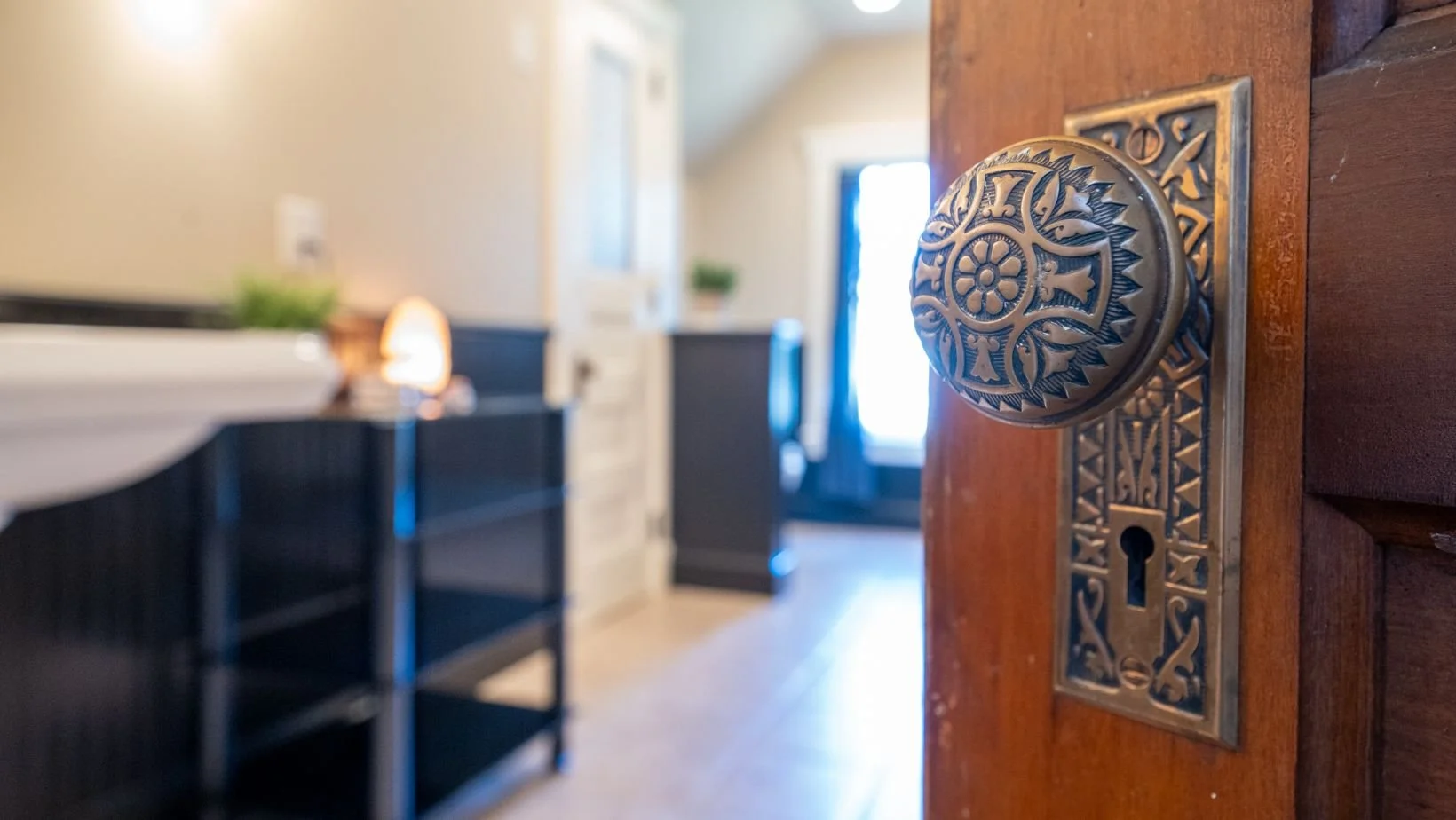
Whether you’re building an addition, remodeling a bathroom, or restoring a window in your historic home, your stewardship is an important part of its story. And whether you live in a district influenced by exterior restrictions or simply want to do what’s best for your home, thinking like a historic builder is a strategy for getting your renovations right.
Think Ahead to the Next Century
Some of the oldest homes in western Massachusetts date back to the 17th and 18th centuries, with even more homes built in the mid- and late-1800s. Builders in these centuries focused on creating homes that would outlive them. They used materials and joinery with longevity – not trend cycles – in mind.
Modern takeaway: Make improvements that age well. Reject disposable updates.
Maintain and Repair, Don’t Replace
Historic builders expected to maintain their homes. Windows were reglazed. Floors were refinished. Hardware was repaired. Roofs were patched and re-slated. Wood siding was scraped and painted. Over time, the cost of maintaining a historic home’s original features is lower than replacing modern components every 10 to 30 years.
Modern takeaway: Most, if not all, original features outperform modern replacements when properly maintained, and end up being more cost-effective.
Use Natural, Locally Sourced Materials
Old-growth wood, local fieldstone, regional brick, lime-based mortar, lime plaster—all of these materials are natural, breathable and compatible. They optimize ventilation to reduce moisture and mold, while also rendering a home environmentally-friendly. If you dismantled a home built in 1820, much of what you’d find—wood, stone, brick, lime—could be reused, recycled or returned to the earth. Many contemporary assemblies, by contrast, rely on synthetic layers, plastics and chemical binders that are harder to repair, separate or sustainably dispose of. Many modern construction materials contain toxins linked to serious health risks.
Modern takeaway: Consider the health and environmental impacts of your stewardship choices.
Work with the Climate
Consider the seasons of New England when making changes to your historic home. Historic builders took summertime breeze patterns into consideration when planning ventilation strategies, and they considered wintertime when pitching roofs for snow shed, deepening eaves to protect siding, and building thick walls to buffer temperature swings.
Modern takeaway: Before you make a change to your home, consider and respect its original environment. When restoring lost features, consider rebuilding to exact replica to respect and honor original character and functional design.

Erica Swallow
Real Estate Broker
Swallow Real Estate
413-314-3383
swallowrealty.com
erica@swallowrealty.com
Contribute to the Streetscape
In historic neighborhoods or residential downtowns across our region, historic builders knew their homes influenced the streetscape. Homes shaped walkable neighborhoods, giving passersby delightful sights to behold.
Modern takeaway: Exterior decisions add to neighborhood character. Consider how your exterior stewardship decisions are adding to—or detracting from—your surroundings.
Stewarding a historic home is a rewarding and sustainable choice. By thinking like a historic home builder, you can make informed decisions that protect your home’s character for generations to come.
Other Articles in this Issue…