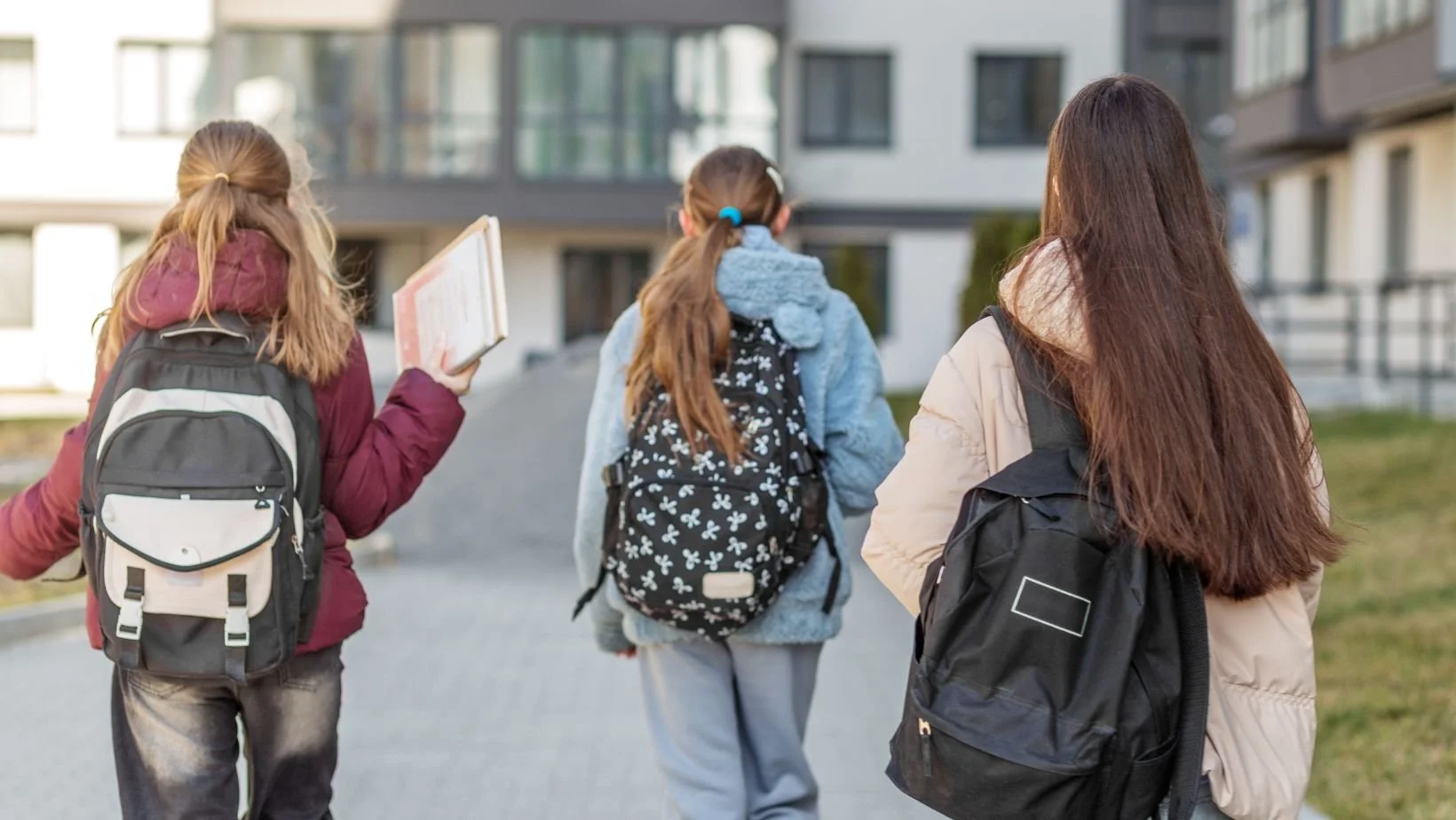
From Backpacks to Butterflies
By Tina Champagne, Cutchins Programs for Children & Families
Published in Northampton Living | September 2026
The transition to the new school year from a relaxed summer schedule is full of excitement — but it can cause plenty of stress. While every child and family are unique, using a few proactive strategies and sensory supports can help ease the transition for everyone.
Build individualized tools into your daily routine to support greater connection, help your child regulate their emotions, and make participation at home and school smoother.
Back-to-School Jitters, Sensory Challenges or Both?
Sometimes, school anxiety is tied to how a child begins each morning. Your child might be experiencing sensory overload if they consistently become upset, anxious or have tantrums related to:
Mealtimes
Getting Dressed
Daily Hygiene
Physical Touch
Noisy Environments
School-Based Stressors
The Power of Movement Breaks
Consider what types of sensory input help your child feel calm or more alert. Building intentional movement breaks throughout the day is a safe way to release built-up tension. Simple tools to try include:
Sensory Fidgets
Rocking Chairs
Outdoor Swings
Mini-Trampolines
Bouncing on a Therapy Ball
Walks
Playgrounds
Daily Routine Ideas: Supporting Regulation
While every child’s needs are unique, this example of a daily routine demonstrates how to create one for your family that can help ease anxiety.
Prep: Make your mornings smoother by handling the logistics ahead of time. Have your child take their bath or shower, choose and lay out their clothing, and pre-pack their backpack.
Wake Up with Connection: Start the day by singing or playing a favorite, uplifting song.
Sensory-Friendly Breakfast: Serve a nutritious meal that respects your child’s food sensitivities.
Gentle Self-Care: Swap out harsh textures for sensory-friendly alternatives.
Comfort Check: Try tagless uniforms, 100% cotton fabrics, seamless socks or compression garments.
Morning Movement: Fit in a movement break based on what your child needs.
Goodbye Ritual: Create a special handshake or co-regulation ritual (like taking three deep breaths together) to help them shift gears.
The School Day: Backpack Essentials
Work with your child’s teacher to see if they can keep these discrete tools on hand.
Tactile Fidgets: Small, quiet items they can manipulate at their desk.
Sound Control: Noise-reduction earplugs or headphones for loud assemblies or lunchrooms.
Sensory Break Card: A visual card to request a break without interrupting class.
Safe Spaces: Access to a designated, quiet sensory corner when they feel overwhelmed.
The Transition Home: Decompress and Reset
Positive Greetings: Greet your child with warmth and excitement when they get home — hold off on asking about homework right away.
Regulating Snack: Offer a hydrating, protein-based snack.
Physical Release: Let them burn off school-day tension by heading to a playground, riding a bike, swimming or playing outside.
Modulate the Environment: Keep home calm and quiet after school, or set up a dedicated movement area for crashing and jumping.
If you need help finding a routine that works or adapting these tips for teenagers, don’t hesitate to reach out to a professional pediatric occupational therapist or counselor for personalized support. We’re here to make the new school year easier for you, too.
Other Articles in this Issue…