Is There a Correct Way to Taste Wine?
By Anna Pearlman | Mineral Hills Winery
Published in Northampton Living | October 2026
Image:
Stock photos (source and add link)
The simple answer is no. Wine tasting doesn’t have to be intimidating. You don’t need years of experience or a sophisticated vocabulary. At its heart, tasting wine is simply about slowing down, paying attention, and noticing what you experience.
1: Look at the Wine
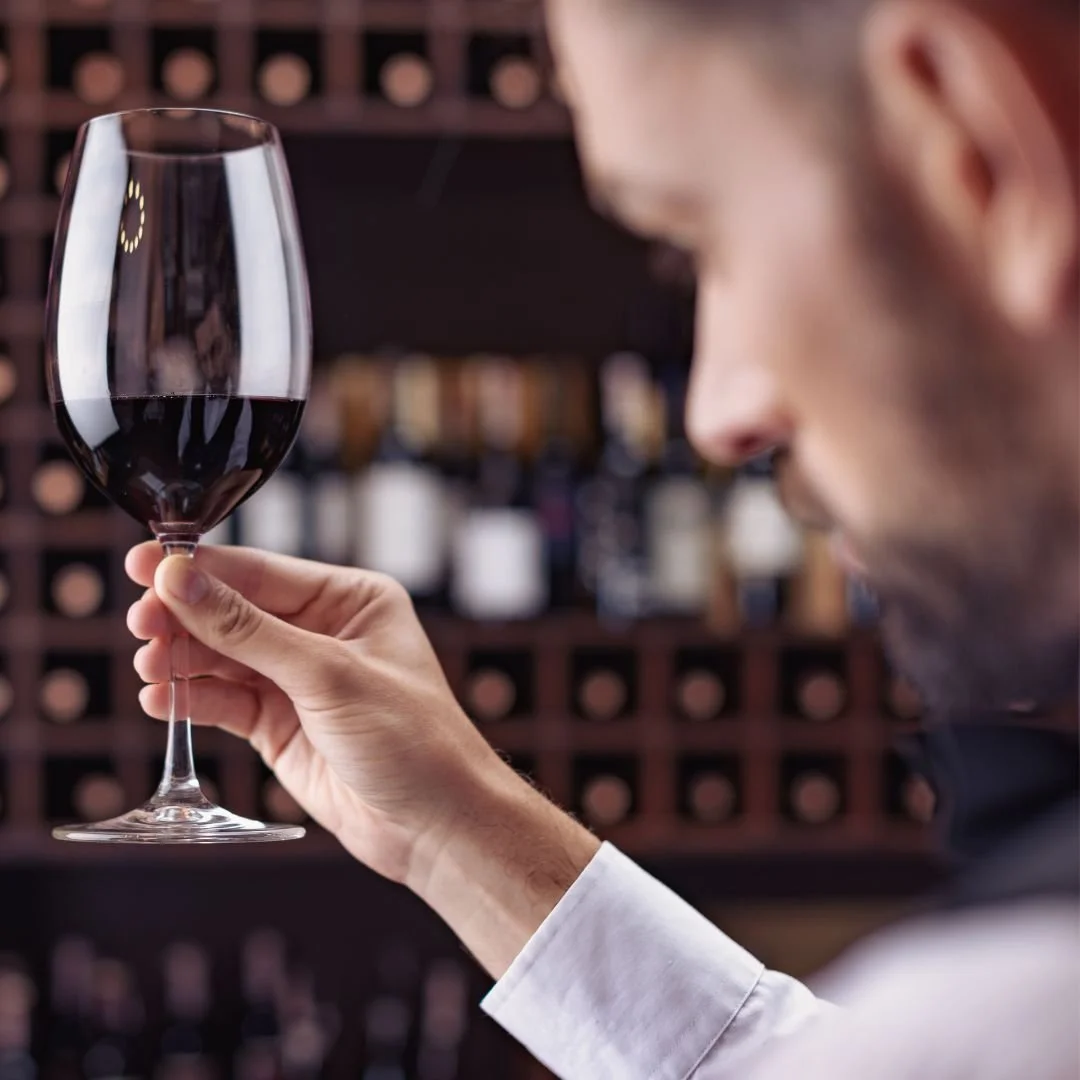
Before tasting, take a moment to examine the wine. Hold the glass by the stem and tilt it slightly against a white or light background. Notice the color, clarity and intensity. Color can offer clues about the grape, style and age of the wine. White wines can range from nearly clear (like our Cayuga White) to pale lemon or deep gold; while reds can be ruby, purple (like our Petite Pearl) or garnet.
2: Smell Before You Sip
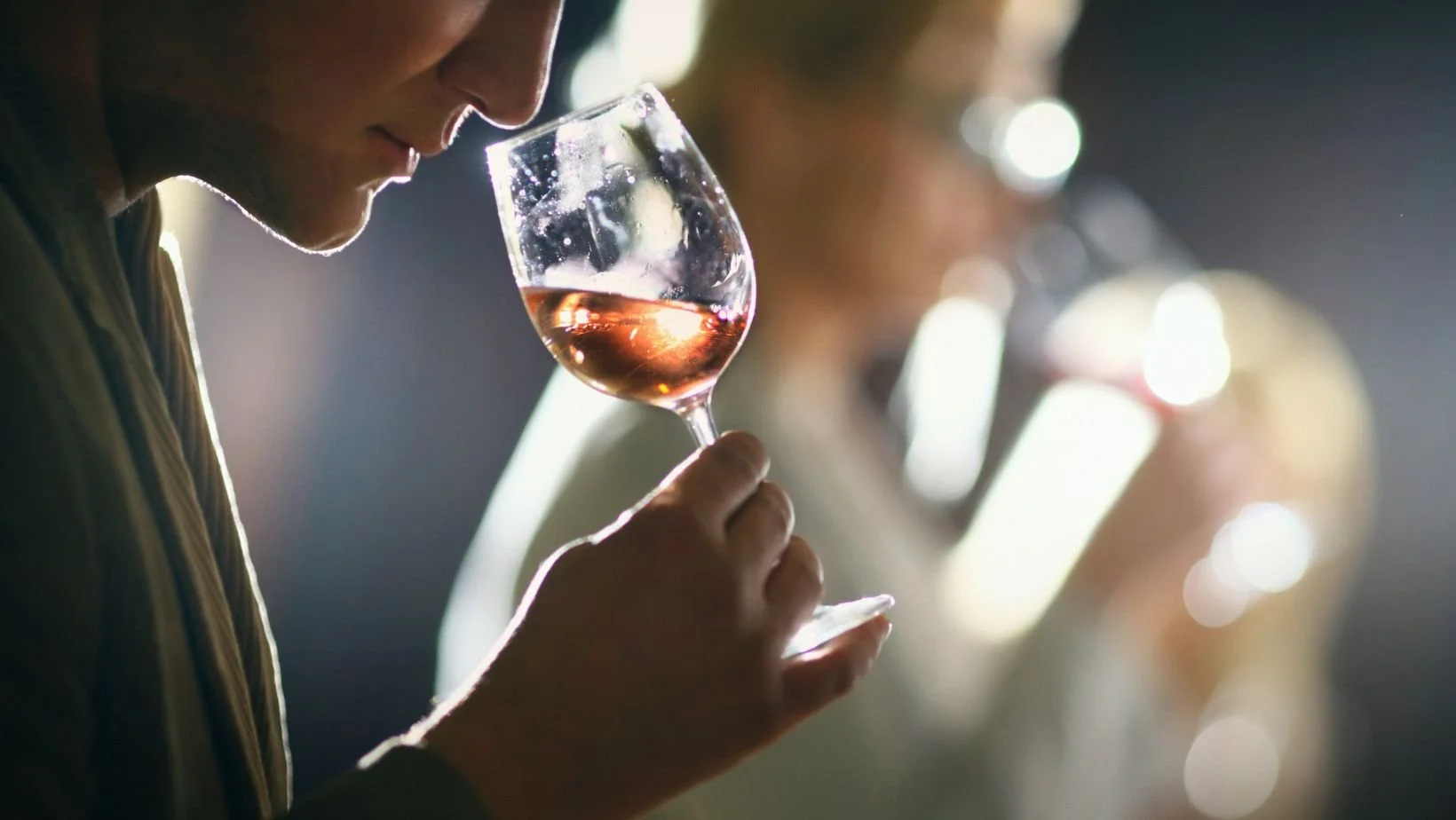
Bring the glass to your nose and take a gentle sniff. Then give it a light swirl and smell it again. Swirling your glass allows the wine to open up and release its aromatic qualities.
Look for broad categories rather than trying to identify every aroma:
Fruit: citrus, apple, peach, cherry, blackberry
Flowers: rose, violet, jasmine
Herbs and spices: mint, grass, pepper, vanilla
Earth: mushroom, leather, forest floor
Other: toast, smoke, coffee, chocolate, butter
There’s no “correct” answer – we love to hear what everyone picks up in our wine.
3: Use the Three-Sip Rule
First Impression: Take a small sip and notice your reaction. Is the wine bright, rich, dry, fruity, smooth? Get acquainted with the wine.
Explore: Take another sip and let the wine move across your palate. Notice its acidity, sweetness, tannins, body, texture and flavors. Do the flavors match what you smelled? Acidity can make a wine taste crisp and refreshing, while tannins create a drying or slightly grippy sensation (like in a good Cabernet). Body describes how light or full the wine feels in your mouth.
Evaluate: Take a final sip and consider the wine as a whole. Ask yourself: Is the wine balanced? How long does the flavor linger? Has my impression changed? Do I like it?
4: Taste Again and Let the Wine Open Up
If you have time, let the wine sit in the glass for a few minutes. Swirl it again and take another sip. Some wines become more expressive as they interact with the air.
5: Trust Your Own Palate
Instead of asking, “Is this a good wine?” ask: “Do I like this wine, and why?”
Maybe you love its acidity, its silky texture, its fruit or the way it pairs with your meal. Those preferences are more valuable than memorizing a list of tasting terms.
With practice, you’ll become more confident at recognizing different wines and, most importantly, understanding what you like. The goal isn’t to taste like a sommelier—it’s to appreciate all that wine has to offer. Your local wineries are working hard to bring you our best products (often using our very own fruit and grapes!). See you in the tasting room soon!
Other Articles in this Issue…