Nonprofits: An Economic Driver Hiding in Plain Sight
By Michelle Theroux, President & CEO, Sunshine Village
Published in Longmeadow Neighbors | September 2026
When we think about the major economic drivers in Western Massachusetts, we often focus on healthcare, manufacturing, higher education, and small business. Yet one of the region’s largest and most impactful sectors is often overlooked — the nonprofit and human services sector.
These organizations not only provide essential services to individuals and families, but they also create jobs, develop talent, strengthen local businesses, and generate significant economic activity throughout our communities. According to the Providers’ Council, in 2023, there were just over 618,000 jobs in Massachusetts in the Health Care and Social Assistance category. Of those positions, nearly 150,000 of them were in human services.
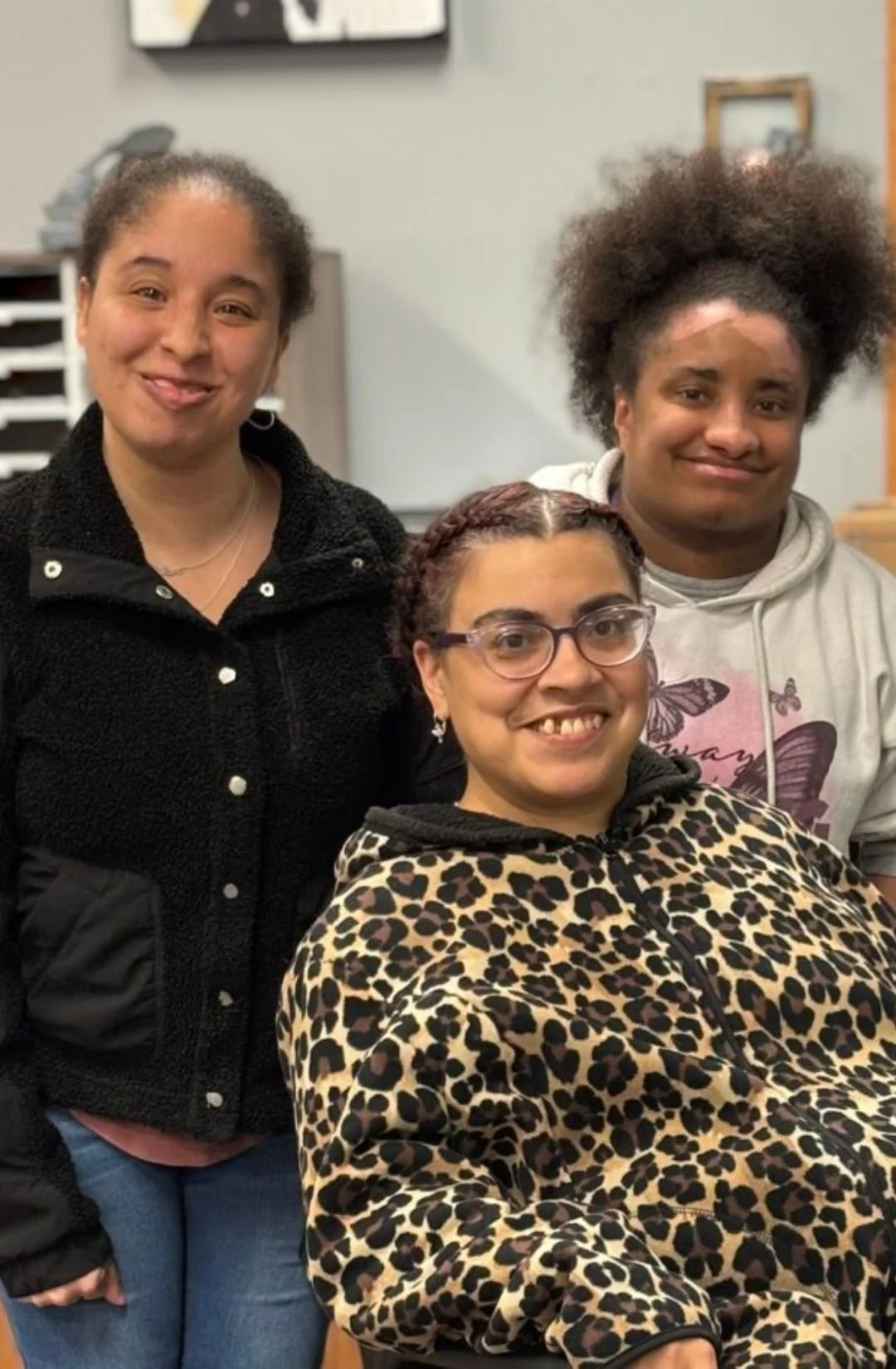
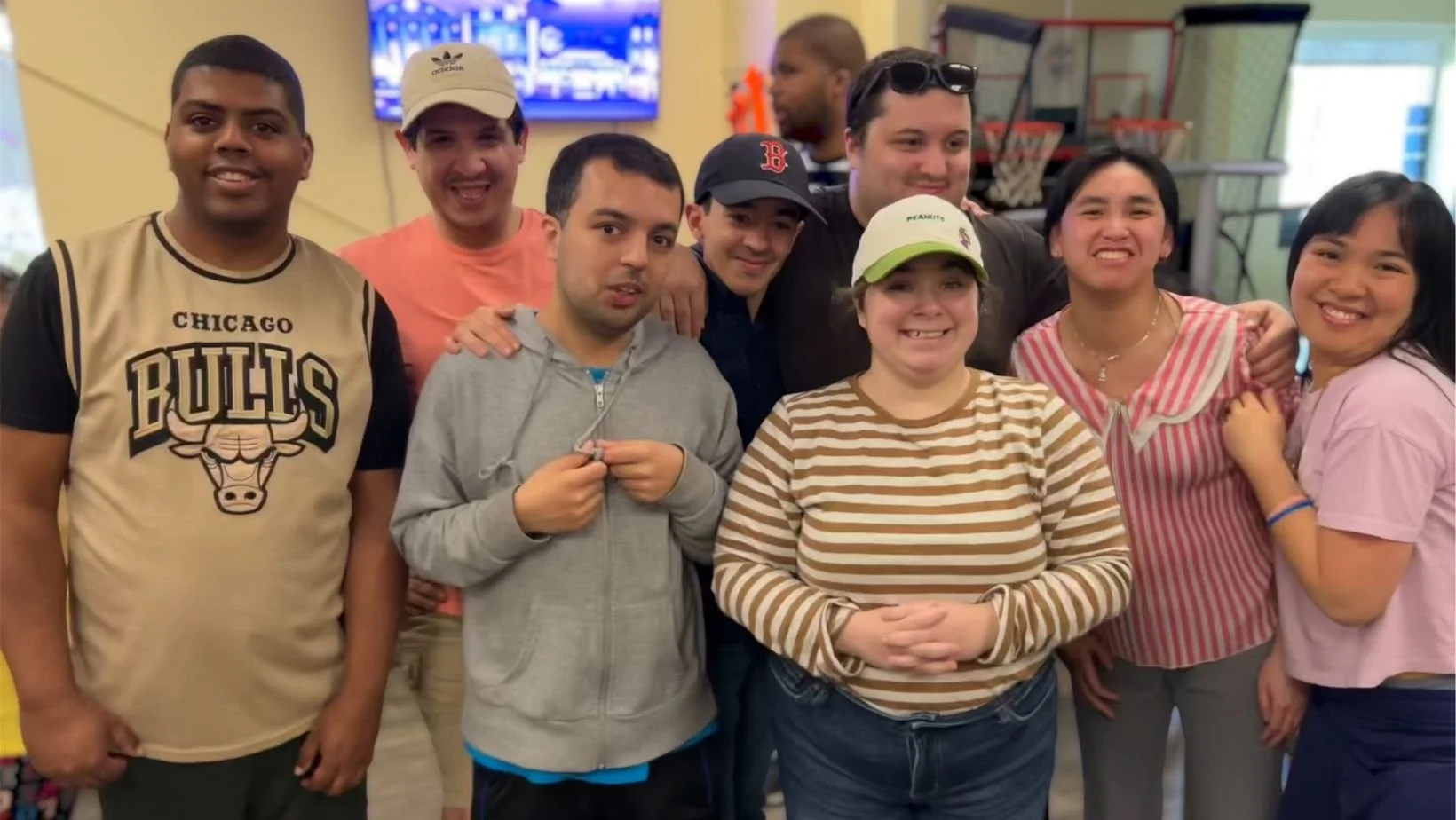
As President and CEO of Sunshine Village, a day program serving adults with intellectual and developmental disabilities, I have seen our impact extend far beyond the services we provide. Organizations like ours are major employers and community partners that help drive the region’s economy every day.
At Sunshine Village alone, more than 200 employees come to work to help our clients live and learn, work and earn, give and grow. Across Western Massachusetts, thousands more professionals build rewarding careers as direct support professionals, clinicians, educators, finance specialists, human resource professionals, facilities teams, and administrators. Collectively, these organizations represent one of the region’s largest employment sectors while ensuring that individuals receive the support they need to live healthy, engaged, and meaningful lives.
The impact extends well beyond employment. Human service organizations purchase goods and services from local businesses, invest in facilities and technology, and partner with vendors across the region. Their employees, in turn, support local restaurants, retailers, and service providers. Just as importantly, these organizations enable countless family caregivers to remain in the workforce by providing trusted care and support for their loved ones.
The nonprofit sector is also cultivating tomorrow’s workforce. Through internships, partnerships with colleges and universities, and ongoing professional development, organizations introduce individuals to mission-driven careers while addressing the growing demand for skilled professionals. These career paths offer opportunities for advancement and allow people to make a lasting difference.
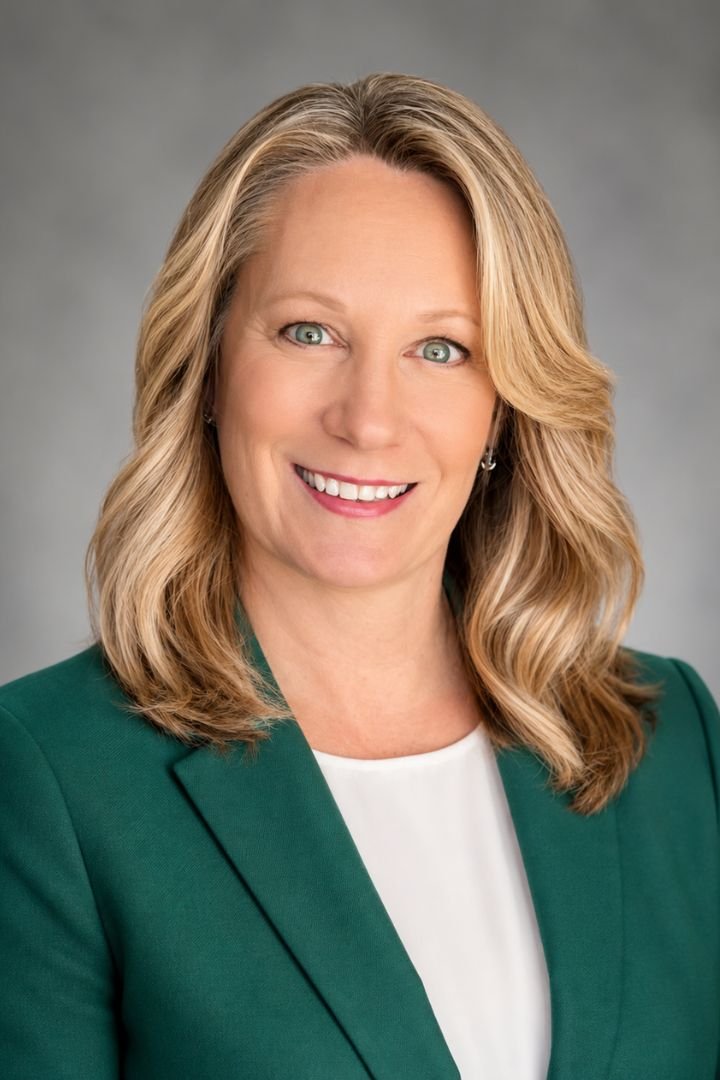
Michelle Theroux
Sunshine Village
413-592-6142
sunshine.us
Perhaps the greatest economic contribution is one that is difficult to quantify. Human service organizations create opportunities for people with disabilities, older adults, veterans, and others to participate more fully in community life. When people gain independence, employment, and meaningful connections, the benefits extend far beyond the individual.
Economic development is about more than attracting new businesses or constructing new buildings. It is about investing in people, expanding opportunities, and creating communities where everyone has the chance to contribute.
Western Massachusetts has long been defined by collaboration, compassion, and community spirit. As we look to the future, we should recognize nonprofit and human service organizations for what they truly are: compassionate providers of essential services and powerful economic engines that employ thousands, strengthen our workforce, support local businesses, and improve quality of life across our region.
Other Articles in this Issue…