Plastic Surgical Interventions After Significant Weight Loss with GLP-1 Therapy
By Dr. Glen Brooks, Spa on the Green
Published In Longmeadow Neighbors | May 2026
The widespread use of GLP-1 medications, such as Ozempic, Wegovy, and Zepbound, has led to an increased number of patients with significant weight loss. These medications provide remarkable metabolic and health benefits, however significant weight loss results in skin laxity, loss of facial volume and hair loss. Plastic surgery and aesthetic medicine can help patients complete their transformation by restoring body shape and proportion, as well as their youthful appearance.
One of the most common concerns after major weight loss is abdominal skin laxity. A tummy tuck can address excess skin and fat while tightening the abdominal muscles. Patients with significant weight loss often benefit from extended techniques such as body lifts to manage excess skin of the flanks and lower back.
Additionally, weight loss causes breast deflation and sagging. Surgical options include breast lift to reposition and reshape the breast or breast lift with augmentation using implants or fat grafting to recreate fullness while tightening the breast.
Body contouring of the extremities is also frequently performed. Brachioplasty (arm lift) removes excess skin and fat from the upper arms, while thigh lift procedures improve contour in the inner or outer thighs where laxity is often pronounced after weight loss. These procedures help patients feel more comfortable in clothing and in their active lifestyles.
The face is another area where GLP-1–associated weight loss can produce volume loss. Patients may notice hollowing of the cheeks, temples, jowls and neck laxity. Face and neck lift surgery can reposition these tissues as well as redefine the neck and jawline. These procedures restore facial contours that may appear prematurely aged after rapid weight loss.
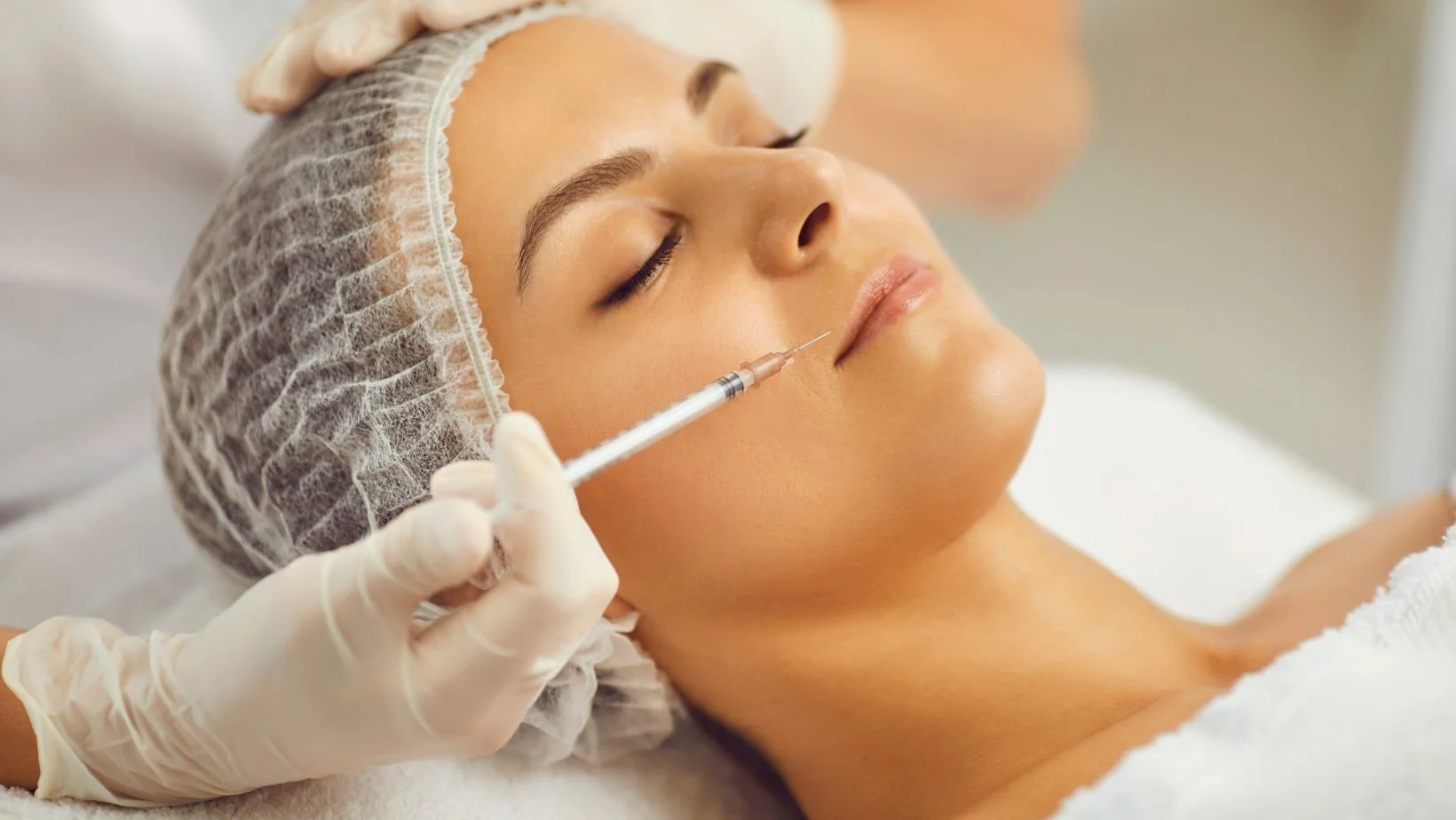
In addition to surgical procedures, injectable treatments are often used to refine facial results. Hyaluronic acid fillers can restore volume in the cheeks, temples, and perioral region, while improving facial contour. For patients seeking longer lasting results, fat grafting offers a regenerative approach that uses the patient’s own fat to replenish volume and improve skin quality. Neuromodulators such as Botox, Dysport and Daxxify as well as biostimulatory fillers may also complement these treatments.
Patients with severe weight loss and insufficient fat available for grafting can benefit from AlloClae, which is minimally processed purified fat tissue prepackaged in syringes. This is used to augment volume precisely in the breast or buttock under local anesthesia in office.

Dr. Glen Brooks
PLASTIC SURGERY & MEDICAL SPA
Spa on the Green
413-565-4400
drglenbrooks.com
Hair thinning or shedding can occur after significant weight loss from metabolic changes, nutritional shifts, or hormonal imbalances. Nonsurgical treatments may include nutritional supplements like Nutrafol, platelet-rich plasma treatments, or regenerative approaches such as exosomes designed to stimulate follicular health.
Finally, patients with major weight loss may develop symptoms related to hormonal shifts, fatigue, or metabolic changes. In appropriately selected individuals, evaluation for hormone replacement therapy may be beneficial for some individuals when guided by medical assessment and laboratory testing.
As GLP-1 therapies continue to transform obesity treatment, plastic surgeons are increasingly involved in helping patients achieve the final stage of their transformation. Through a combination of body contouring surgery, facial rejuvenation, regenerative techniques, and medical therapies, patients can achieve results that reflect both their improved health and their aesthetic goals.
Other Articles from this Issue…