The Mission Behind the Mill
By Alisha Seney, Riverside Industries • Photos by Bob Zemba, Simple Truth Imaging
Published In Northampton Living | August 2026
How a repurposed building reshaped a nonprofit and the surrounding community
Long before Riverside became a downtown fixture, its early years were marked by several relocations. Founded in 1968 by local families determined to create more opportunities for adults with intellectual and developmental disabilities, the organization originally operated out of the old Leeds School building, a gift from the City of Northampton. However, the following year brought an unexpected setback: a mysterious fire destroyed the workspace, forcing Riverside into a series of moves.
From Pleasant Street to Nonotuck Street in Northampton, to Sanderson Street in Greenfield, to the Brassworks in Haydenville – for a while it seemed like Riverside would always be relocating. Yet the organization endured, propelled by the people behind it.
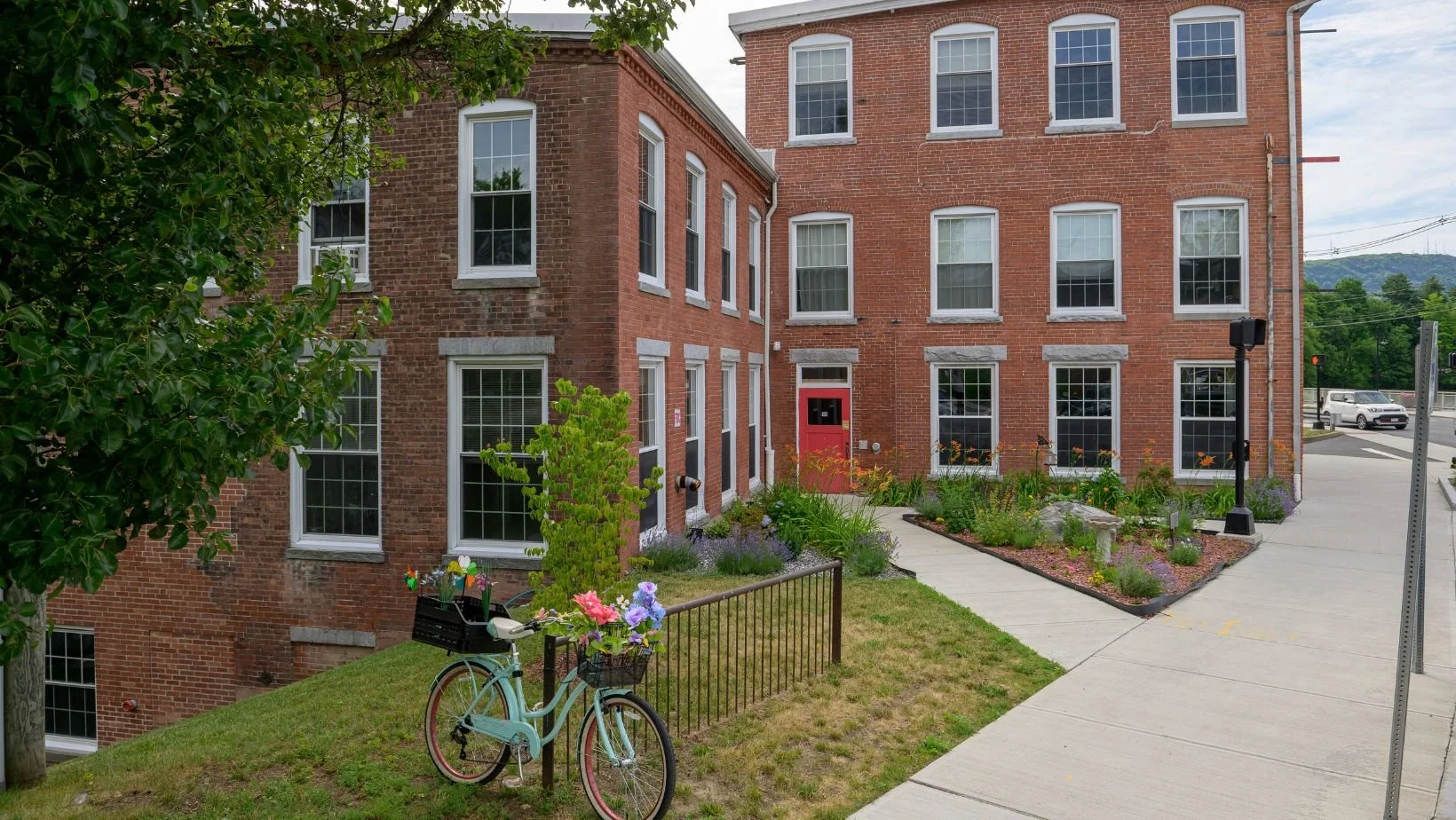
In 1976, something extraordinary happened. Textile company J.P. Stevens donated the One Cottage Street building, a sprawling five-story mill from the 19th century, originally powered by the Nashawannuck Pond. It was a gift of place – and of possibility.
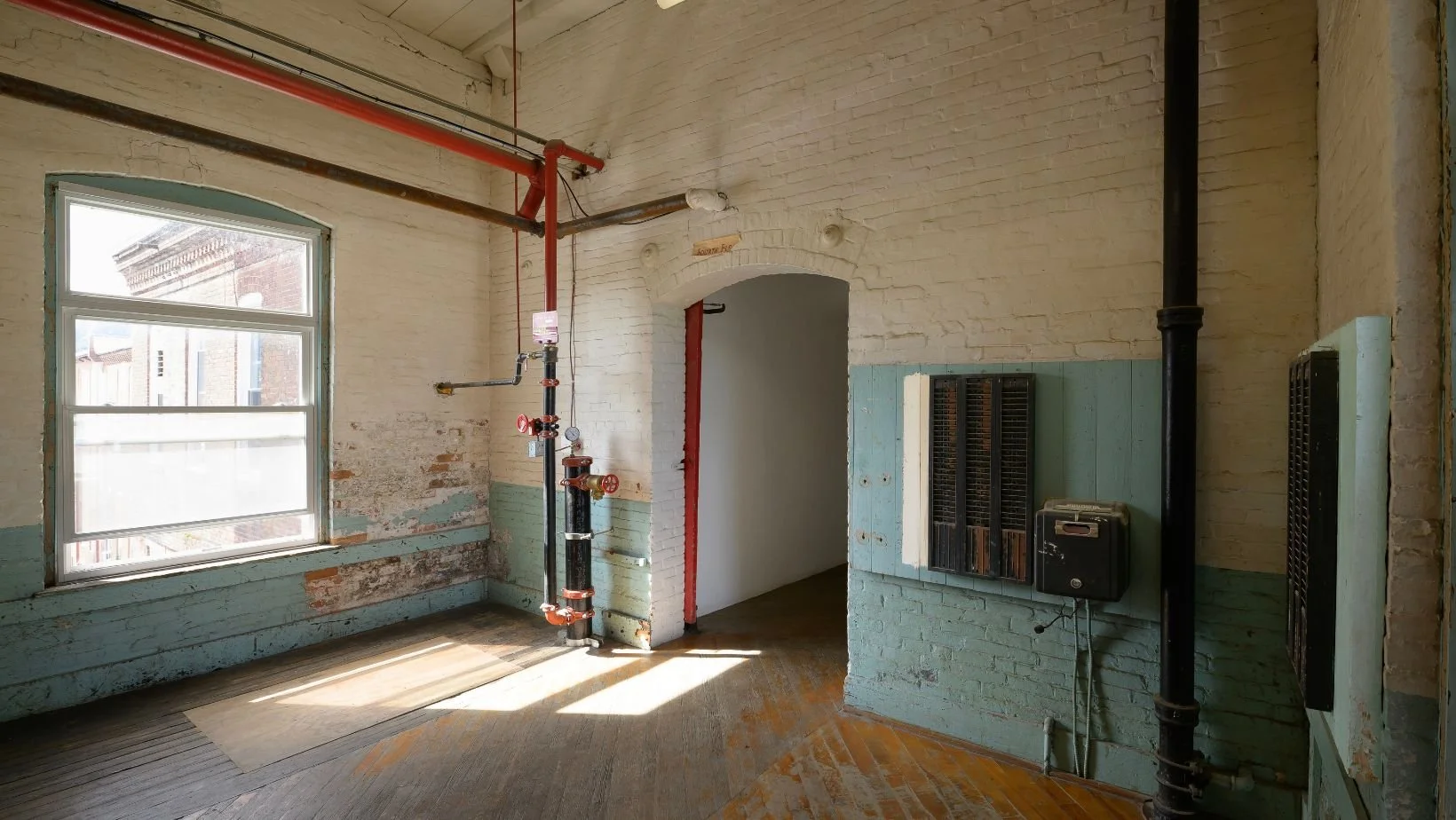
This act of generosity finally provided Riverside with a permanent home. The mill’s wide-planked floors and tall factory windows welcomed new programs, new ideas and new futures. And because the building offered far more space than Riverside needed, something unexpected happened: It created stability. Artists, makers and small creative businesses rented studios throughout the complex, bringing in steady income that helped support Riverside’s people and programs.
Over time, as the building filled with creative neighbors, what began as a practical way to maintain a mission evolved into a thriving cultural ecosystem, one where human service programs and the creative economy shared one address. Today, One Cottage Street is home to more than 100 tenants, most of them artists and makers. Their presence infuses the building with color, craft and a hum of activity that mirrors the energy of Riverside’s programs happening just down the hall.

Alisha Seney
Riverside Industries
413-527-2711
info@rsi.org
rsi.org
Riverside deepened its roots in Easthampton by formally adopting a policy of normalization in 1977, affirming that people with intellectual and developmental disabilities deserve opportunities to live, learn and work in typical community settings. Even the logistics of the site – the multiple levels, the shared spaces, the mix of tenants – create daily opportunities for people with and without disabilities to mingle and collaborate in a setting that feels like the town itself has gathered indoors.
Today, when you walk past One Cottage Street – past the water, the brickwork, the familiar movement inside – it’s easy to forget that it all began with a fire, a handful of determined families, and a stroke of generosity. The mill gave Riverside room to grow, and, in turn, helped shape the community around it.
Other Articles In this Issue…