
When does your “NEW YEAR” begin?
Seasonal Wisdon for the Perinatal Journey
By Brigid Owino, Perinatal Wellness Partners
Published in Longmeadow Neighbors & Northampton Living | March 2026
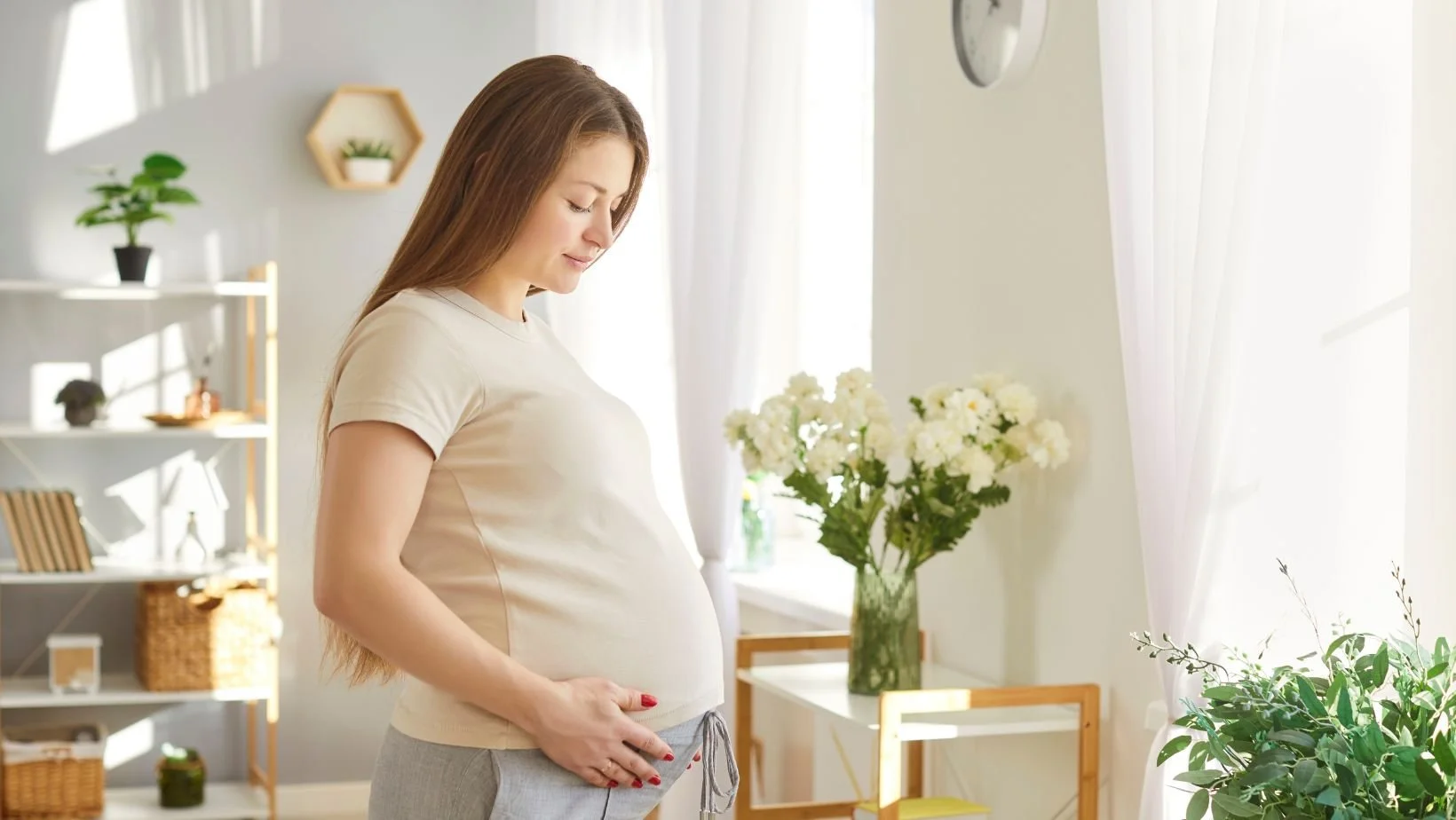
As March unfolds and we move towards the spring equinox, many people around the world recognize this moment as a symbolic beginning: a threshold when light and darkness briefly balance before the season of growth begins again.
As the natural world shows signs of renewal this month, these traditions offer reassurance: whether your “new year” with your new baby begins now or later, and whether your postpartum journey takes weeks or months, you are not behind. You are moving through a season of becoming – one humans have honored for generations. Across these traditions, a shared wisdom emerges: preparation is meaningful, thresholds deserve to be witnessed, timing matters and community support is essential.
In Persian communities, Nowruz is celebrated at the spring equinox. Families gather around a Haft-Sin table, set with items symbolizing renewal, patience and hope. This moment of equilibrium is often used as a metaphor for late pregnancy: a time suspended between who one has been and who one is becoming, preparing for the shift ahead.
In some East African societies, time has traditionally been understood in relation to seasonal cycles of rain and planting rather than fixed calendar dates. The year begins with the arrival of rain and new growth. In various communities, postpartum care includes extended periods of support (often 40 days or more), during which new mothers are cared for by relatives or neighbors. While not universal, these practices reflect a recognition that transformation unfolds in its own season.
Within Christian traditions, several observances involve 40-day periods of preparation or transition. Lent, beginning in early spring, lasts 40 days before Easter. Historically, many European families observed a “lying-in” period after childbirth, during which new mothers rested and received help from family or community members. Though customs varied, these practices acknowledged that birth creates not only a child but also a new phase of identity for the parent: one deserving time and care.
Chinese New Year, falling between late January and mid-February, arrives after the darkest weeks of winter, signaling a gradual return to light. Family reunion is central to the celebration, reflecting how birth can reorganize entire family systems and bring people together in care and adjustment.

Brigid Owino
Perinatal Wellness Partners
413-466-9405
perinatalwellnesspartners.com
doula@pwellnesspartners.com
In Jewish tradition, Rosh Hashanah, the Jewish New Year, occurs in early autumn, during the agricultural season when crops have been gathered but before later harvest festivals such as Sukkot. Customs like dipping apples in honey express hope for sweetness in the year ahead. While Rosh Hashanah is not strictly a harvest festival, its timing emphasizes reflection and fruition — themes that echo the patience and care of pregnancy.
Modern research in mental health and neuroscience supports what many traditions have long recognized. Pregnancy and the postpartum period are times of heightened emotional sensitivity and significant adaptation for the brain and nervous system. Studies show that social support, rest and predictable routines help regulate stress and protect emotional well-being, while isolation and overwhelming demands make recovery more difficult.
If you are pregnant, have recently given birth, or are planning on becoming pregnant, please call me at Perinatal Wellness Partners, where families are supported through the perinatal journey with honor, compassion and respect.
Other Articles In this Issue…