
MOLD: When to be concerned — and when not to panic
By Bob Couture, Restoration 1 of Springfield
Published in Longmeadow Neighbors | April 2026

Mold is one of the most common concerns homeowners raise—and also one of the most misunderstood. In communities like Longmeadow, where many homes were built decades ago and often include finished or partially finished basements, knowing when mold is a real problem and when it isn’t can help homeowners make informed, confident decisions.
Mold spores exist naturally in both indoor and outdoor environments. The presence of mold alone doesn’t automatically indicate a serious issue. Problems develop when moisture allows mold to grow on building materials over time. In older homes, moisture can come from foundation seepage, aging plumbing, roof leaks, or seasonal humidity—especially in basements.
COMMON PLACES MOLD IS FOUND — AND WHY
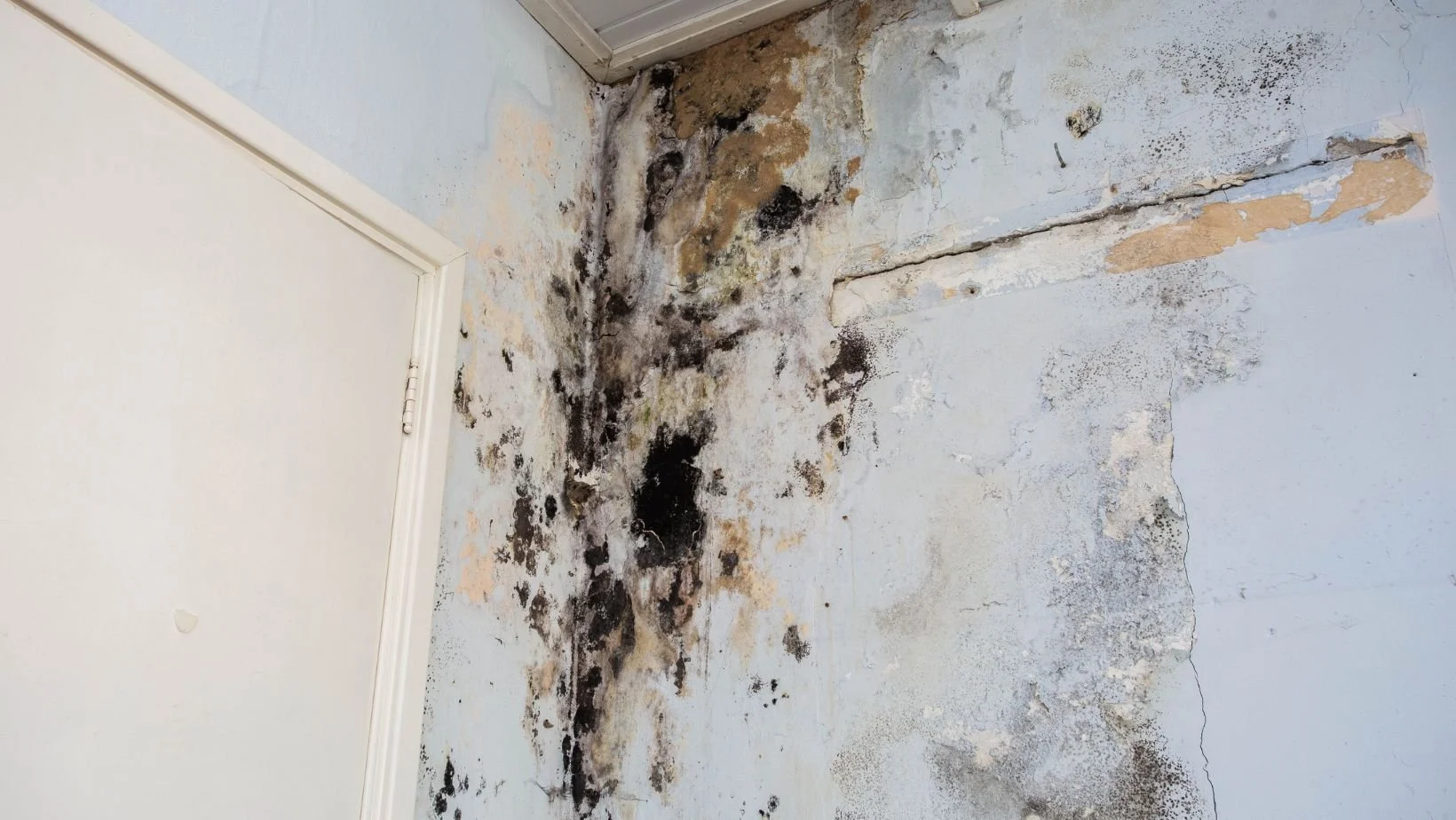
• Basements: Higher humidity, foundation seepage, and limited airflow create ideal conditions, particularly in older homes.
• Behind drywall: Small plumbing or roof leaks can allow moisture to remain hidden for long periods.
• Bathrooms: Steam from showers combined with poor ventilation often leads to surface growth.
• Under sinks: Slow leaks can go unnoticed until mold becomes visible.
• Around windows: Condensation during colder months can dampen surrounding materials.
• Crawl spaces or utility rooms: Limited airflow and temperature swings can trap moisture.
• Attics: Poor ventilation or bathroom exhaust fans that terminate inside the attic—rather than venting outdoors—can introduce warm, moist air that condenses on colder surfaces, leading to mold growth over time.
Finding mold in any of these areas doesn’t automatically mean remediation is required, but it does indicate that moisture conditions should be evaluated.
Mold testing is another area that often causes confusion. Testing doesn’t determine whether a home is “safe” or “unsafe.” Instead, it provides information about patterns and moisture-related conditions that can help guide next steps. Used appropriately, testing supports decision-making rather than creating unnecessary concern.
In older homes, it’s also important to consider the materials behind the mold. Drywall, joint compound, and other building materials used in past decades may contain asbestos. This does not automatically mean danger is present, but it does mean materials should not be disturbed without proper evaluation. A measured, assessment-first approach is especially important in older construction.

Bob Couture
Water Damage, Fire Damage, and Mold Remediation
Restoration1
413-287-9895
restoration1.com/springfield-ma
Overreacting can be just as costly as ignoring a problem. Removing materials unnecessarily can disrupt a home without addressing the root cause, while failing to resolve ongoing moisture can allow conditions to worsen. The goal is balance—responding based on evidence, not fear.
For Longmeadow homeowners, focusing on moisture control, documentation, and understanding options before taking action is often the most effective path. Mold concerns don’t need to be ignored—but they don’t need to be feared either.
Other Articles from This Issue…