The Revolution Comes to Longmeadow
By Melissa Cybulski, Longmeadow Historical Society
Published in Longmeadow Neighbors | July 2026
What impact did “the shot heard ‘round the world” have on the more distant Western Massachusetts towns like Longmeadow? Though Paul Revere certainly didn’t ride as far as Springfield warning of the approaching British Regulars, surrounding towns were certainly aware of what was occurring to the east of us.
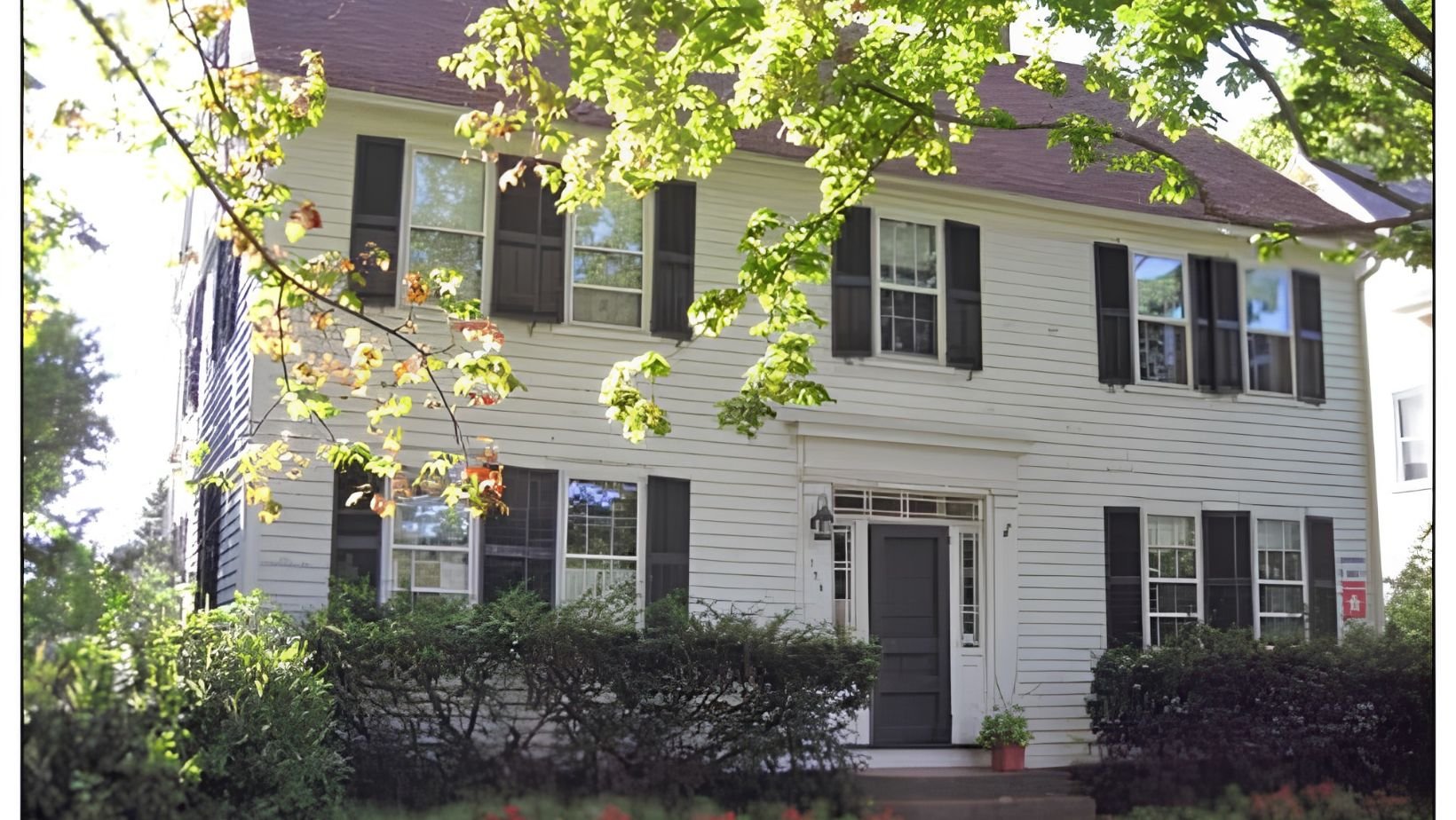
We have a lens on this important time via the diary of Longmeadow’s minister, Rev. Stephen Williams. Interestingly, April 19th, 1775 is only noteworthy in Williams’ diary as the day that a new house was raised on the town green. It was built for David White (1746-1823) and still stands in town today. Williams wrote: “this day David White’s house was raised - it was a windy day and therefore more difficult - but no remarkable disaster - Oliver Burt’s foot was bruised some and Billy Colton’s shin - broke -...” These were the last hours the community would be unaware of the history-altering events taking place on the other end of the state. Two days later it is believed that this same David White, whose house was being raised, and twenty-two other of Longmeadow’s own minutemen began a journey on foot towards the scene of the battle to see what kind of support they could lend.
By the next morning, April 20th, word of the conflict arrived in Longmeadow. Williams records, “This morning- as soon as it was light, the drum beat and three guns were fired as an alarm. The story is that some of the troops had marched from Boston to seize some military stores at Lexington, or Concord, and that some men had been killed, but the accounts are vague – and as yet uncertain - - we must wait. The Lord mercifully prepare us for the tidings we may have. … The minute men are gone to town and men are collecting from various parts, and we have reason to fear that much mischief is done - we are in distress…”
April 21 - this morning about 4 o’clock another message is come advising that there has been a smart engagement at Concord between the regulars and our people, and many killed, but we have but an uncertain account. ‘Tis said houses are burnt, and women and children killed - sad work, indeed - more men are collected and going forth. I prayed with a company. The Lord be pleased to go with them and preserve them; keep them in thy fear. This day we met together for prayer in the meeting house…
April 22 - this morning the post (Mr. Adams) came along and we got his account of matters; they are very indistinct, but we are told that there has been a battle between the King’s troops and the people of the country, and that on both sides it was supported with great spirit; thus a war is begun. …In the evening our people (excepting the minute men) came home and bring an account that the King’s troops are got back to Boston; the account of the battle is yet very uncertain.
Days later, Longmeadow resident, George Cooley, who had gone east with a wagon and provisions for the minutemen, returned to town and reported that Longmeadow’s men had made it as far as Waltham and were camped awaiting further direction. Over the next several years, men from Longmeadow served in various roles in the Continental Army. As you stroll up and down Longmeadow Street today, keep your eyes open to look for homes marked with signs depicting tri-corner hats. These are the homes where these men lived, David White’s house among them.
America (and Longmeadow) Celebrate 250 Years of Freedom
By Seth Stutman, Content Coordinator
250 years ago, in towns like Longmeadow all across the original thirteen colonies, men and women fought against British oppression because they believed in their right to govern themselves.
According to Longmeadowma.gov, “April 21, 1775 saw farmers from Longmeadow joining with Minutemen from Springfield’s militia to rush to assist fellow colonists in Lexington and Concord. The impending war divided citizens here, as elsewhere, neighbor against neighbor, Patriot against Tory.”
Dozens of Longmeadow residents joined the fight, and those who sacrificed were joined by their whole family who lost a provider for a cause greater than themselves.
Once a free nation, on October 17, 1783, Longmeadow was incorporated as the first community in the newly formed Commonwealth of Massachusetts. Paperwork had been filed for incorporation before the Revolution, but with the outbreak of war it was shuffled aside.
John Adams wrote in a letter to his wife, Abigail, in July 1776 just after the signing of the Declaration of Independence, “I am well aware of the Toil and Blood and Treasure, that it will cost Us to maintain this Declaration, and support and defend these States. -- Yet through all the Gloom I can see the Rays of ravishing Light and Glory. I can see that the End is more than worth all the Means."
The Longmeadow Historical Society has a curated collection of stories surrounding Longmeadow’s role in the Revolutionary War as we celebrate 250 years of democracy in America.
Other Articles in this Issue…